
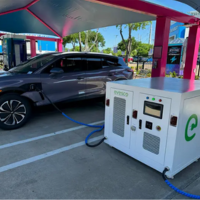
 Strategic planning and careful analysis are essential for overcoming the barriers to fleet electrification. This includes vehicle route and usage analysis, phased transitions, and infrastructure investment. By addressing these challenges with thoughtful planning, businesses can successfully transition to electric fleets and reap the environmental and commercial benefits.
Fleet electrification represents a pivotal step forward for businesses looking to reduce their carbon footprint, align with global emission goals, and future-proof their operations. Despite initial challenges, the long-term benefits far outweigh the challenges. By investing in electric vehicles, businesses can significantly lower their total cost of ownership through reduced maintenance, service, and running costs. Moreover, embracing sustainability can attract eco-conscious customers and ensure compliance with impending regulations on ICE vehicles.
The barriers to fleet electrification, such as planning complexity, vehicle choices, and infrastructure challenges, are manageable. Advances in technology, increased availability of EV models, and strategic investment in charging infrastructure are steadily addressing these issues. Companies that approach fleet electrification with a comprehensive strategy will find themselves well-positioned to lead in the evolving market.
Fleet electrification is the way forward, and the time to start the transition is now. Start your fleet electrification journey today to stay ahead of regulations, reduce costs, and contribute to a sustainable future.